

I have many teachers who invite me to see myself as worthy of love. Do you want to meet some of them?
My dog, Daisy. She always used to come to me when I was crying. Reminding me I don’t have to hide or perform anything for anyone in order to be loved. I can feel everything I need to feel. And she will check on me. She will stay with me. I practice remembering to stay with myself, even when it feels unbearable.
A friend in my community, KC. Every single time she sees me, whether at work or at our kids’ events, I hear her voice: “Hey, Gorgeous!” or “Hello, Beautiful!” with a huge smile and bright eyes. Every single time no matter what. It’s at such odds with my experience in society that it takes me by surprise every time. Eventually, I hope to not be surprised. I hope to just know. I say it back to her, “Hey, Beautiful.” It’s good practice.
One of my yoga teachers, MV. She tells us the story of tucking her kids in at night and telling them, “You are so lovable.” And she exhorts us to tell ourselves the same thing. And so now I end a lot of my yoga, resilience, and social-emotional-learning classes with these affirmations for my students to repeat if they’d like: I am awesome. I am amazing. I am soooooooooooo loveable.
Insight meditation teacher, Sylvia Boorstein, encourages self-compassion through terms of endearment in place of self-criticism and self-loathing. Among other invitations, she offers herself these words, “Sweetheart, you are in pain. Relax. Breathe. Let’s pay attention to what’s happening and figure things out.” I practice calling myself Sweetheart.
Another friend in my community, ST. Every singe time she sees me, whether at the grocery store or our kids’ activities, she literally yells, “Heeeeeey, Gorgeous Woman!” It doesn’t matter if I’ve just rolled out of bed or not. It doesn’t matter where we are or how far away she is from where I’m standing. It takes me a minute. I have to process. She also likes my hair? I say it back to her, “Hello, Gorgeous.” It’s good practice.
My restorative yoga teacher, Judith Hanson Lasater, shares her practice of self-compassion: Whenever she has moments of frustration or discontent, she says, “Oh, how human of me.” I love this. It reminds me to ask myself why I ever thought I needed to be something I am not.
Our rescue foster pup, Bruno. After months of living unabashedly as himself, growing and blossoming every single night and every single day, Bruno showed us who he was. He showed us who he is, who he wants to be, who he needs to be, who he must be. He taught me that there is absolutely no thing more freeing on this earth than being fully and unabashedly one’s truest self.
My sweet kids. They read my face. They ask me if I need hugs or help. When they are in the throes of their own brain-restructuring and hormone spikes and drops, they forget I’m human, just like I do. And then they remember, just like I do. They also honor their impulses to love. They say I love you when we part; they say I love you when we’re together; they say I love you when we’re nowhere close – whenever they feel it. I don’t do anything to win or earn their affection. I just am and they just are and love just is.
All the friends I text when I’m trying to figure out Life: CS, JS, KS, SD, SR, MD, JM, CC. They text me back. They are essential to my joy and my growth.
My husband. He shows up. When everything is terrible. When everything is pleasant. When everything is boring. When everything is tenuous. When everything is shit. When everything is sweet. He is: Constant. True. Consistent. Unflinching. Honorable. Considerate. Honest. Open. Willing. Integral. He is essential to my growth, my successes, my contentment, my ease, my mission, my vocation, and to fulfilling my heart’s desire, my sankalpa. His qualities and actions remind me that there is nothing I need to prove or attain. I am lovable simply because I am alive. Simply because I am me. Simply because I am.
Our new permanent pup, Bodhi. He is named for the tree of Buddha’s enlightenment. He is also named after surfers and gods, oceans, and air. Bodhi sits. Bodhi watches. Bodhi waits. Bodhi pays attention. Bodhi looks, at first glance, as if he has no thoughts – like he’s not thinking anything. And do you know what happens when you have no thoughts, when you are not thinking anything? The possibilities are endless. That kind of nothing is fully pregnant with everything. So when you look back at Bodhi long enough, all of a sudden you are full. He is comfort magnified. You can’t feel anything but love when he runs to you. I am practicing drinking this in.
Silence.
A silence that is planted and cared for.
A communal silence ushered into being.
A retreat space structured with ritual,
ceremony, gentleness, and support
so carefully curated it creates a circle
unspeakably spacious
and infinitely deep
the well
of unconditional love
pours over you from the inside –
from
the
INside (!)
And when I looked at her, wordless,
my yoga teacher cracked open
the silence and cradled my gaze,
my tears, my life
with her whisper,
The silence, she is so generous, isn’t she?

My invitation to you now is to open into your fullest self by acknowledging what is already true – so full that you break open into every color, every shade, every line, every texture, every curve, every spiral, every sound, every silence that you hold inside. Please, please write yourself a poem today. At some point before midnight, before morning, write yourself into being – with words or images – with letters or sketches – with lyrics or pictures teach yourself how to love you. Love yourself the way you’ve always wanted to be loved. Because you ARE.

Good morning, Lovely,
You are precious
golden and radiant,
You are gorgeous
kind and loving,
You are more than anything
I could have ever hoped for.
Please, please keep being
because I couldn’t
wouldn’t
won’t live without you.
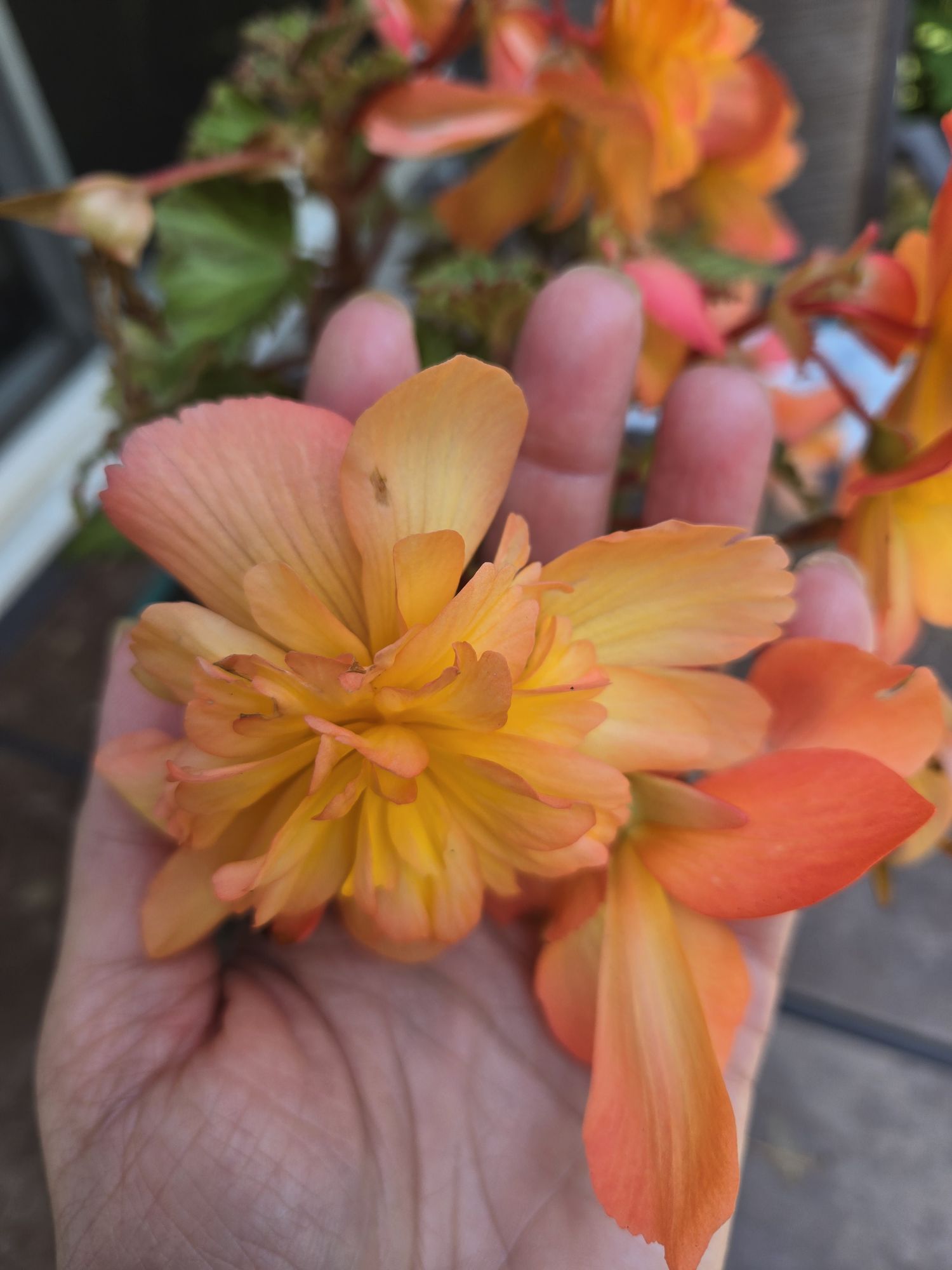
P.S. Please keep your eyes and ears out for your teachers, all those beings who teach you the fullness of your worth.
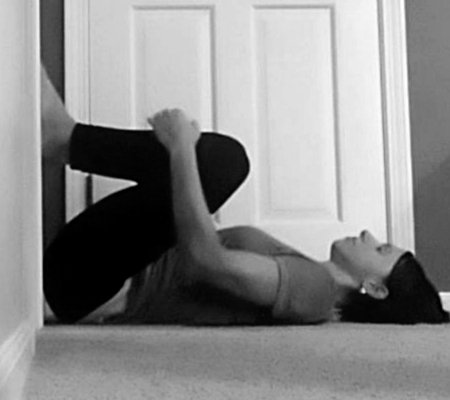


 Generous Wisdom | Spacious Heart