Curiosity & Honesty:  Entering Into Divine Flow  

Curiosity & Honesty:  Entering Into Divine Flow
Or
Svadhyaya & Satya:  A Path to Connection

This 4 part series is an exploration of themes and concepts related to Yoga practice, spiritual practice, and life practice, a rambling through a tangled, muddy wood of experiences; it is a one-foot-in-front-of-the-other adventure into curiosity.  When we are curious, we learn what it means to suspend judgment and step into Divine Flow, the Loving, Creative Spirit-Energy of Existence that moves through all of us.  What it feels like.   What it looks like, sounds like, smells like, and tastes like to allow unfolding, unfurling, and to feel this happening in the moment.

Part I:  Adaptability

In 2000 when I first enrolled in yoga teacher training, I learned that there were “different kinds” of yoga, and really only two:  Hatha & Ashtanga Vinyasa.  The lead Ashtanga teacher at the studio took one look at me and, with her characteristic smile said, “You’re athletic?  You’re coming with me.”  I didn’t know a chaturanga from a chakrasana; I figured she knew best, so I agreed, and experienced a resonance.  It actually brought my worlds together:  Primary Series in Mansfield, Ohio?   Primary Series in Mysore, India.  Holy Mass in Mansfield, Ohio? Holy Mass in Rome, Italy.  It was a fine fit, and through all the years bore all kinds of good fruit, not the least of which was the little website, blog, and small fundraising site The Catholic Yogi (now The Catholic Yogis).

I loved the physicality of the Ashtanga practice.  I loved the pattern and routine.  I couldn’t perform all the postures perfectly or do every single vinyasa, practice 90 minutes a day, 6 days a week, but I sure tried.  And when I failed, I buried my head in the sand, pretended it was fine, told myself it was okay, and didn’t believe myself one bit when I said it.  I had four babies by c-section over the course of 8 years, did more pilates than primary series, didn’t have a separate meditation practice, didn’t have a separate pranayama practice, told myself it was okay that I wasn’t “doing all the practices exactly as prescribed, super-correctly, most auspiciously,” and I didn’t believe myself for one second when I said it.  

 I didn’t even know to look for 

and uncover my own needs.  

I thought I had to want to try for perfection

in every single thing.  All The Time.  

Throughout those eight years, lots of “other kinds” of yoga started popping up all over the place (thank you collaboration and The Internet):   “Mindful Yoga,” “Vinyasa Yoga,” “Yin Yoga,” “Power Yoga,” “Hot Yoga,” “Restorative Yoga”  – the list is seemingly endless.  But I didn’t really feel I could dip my toe into any other water. It just wasn’t even an option for me. It was all or nothing.   I was stuck in a cycle of “Not good enough; can’t leave.”

Some of the reasons I was not able to practice The Primary “as prescribed by ‘tradition’” was because I was a householder, a person with female bone structure, hip dysplasia, chronic inflammation, subacromial compression in the shoulder, and chronic pain.  Not to mention limited physical access and financial resources.  My beginning was “before the internet” or at least before its current iteration, and offered so much less access than the abundance of online resources we enjoy today.  

It is important to note, too, that I didn’t realize much of this when I was young.  I thought I could do everything, and so I should do everything – with or without access, finances, support, accurate information, knowledge, experience, mentorship – should (lots of moralizing there).  In fact, I didn’t know until just three years ago when I suffered an end-range-of-motion injury in ardha chandra chapasana that my hip sockets are, in fact, not “fully formed.”  (Totally the reason my hips never seemed to “open” beyond my “this is always the way it is” baseline arc, no matter the hours of practice over years of effort, and completely the reason my body always recoiled from kapotasana.  Now I am thankful it always felt dangerous enough for me to shake my head and back away.)

I share all this to say that when I was younger, I didn’t know.  And, unfortunately, we don’t know what we don’t know until we know it.  Or until a wise teacher shares it with us of their own accord.  Because, guess what friends:  I didn’t even know the questions to ask.  I didn’t know it was okay to not try to do “the full thing,” to not try to reach for and achieve some version of “perfection,” to not be hard on myself for not already knowing everything about everything.  “Accessible Yoga” didn’t exist back then the way it does now.  And even if it did, I probably would’ve given it the “side-eye” and been all judgy about it.  I didn’t know it was okay to adapt postures or practices to take care of my needs.  In fact, I didn’t even know to look for and uncover my own needs.  I simply thought I had to want to try for perfection in every single thing All The Time.  “Needs” were irrelevant.  

Yes.  This Was Exhausting.

It’s important to acknowledge here, too, that even if we can do something, our explicit ability to do that thing does not imply that it is a wise thing to do.  That’s right.  I said it.  And now you can, too, in case you felt alone in that.  And now we can say it together.  

The first step in cultivating adaptability is giving ourselves permission to do it. Once we allow ourselves to adapt postures and practices, the next step is to experiment. And a healthy dose of curiosity & honesty helps with that.

Curiosity & Honesty

Sometimes honesty is about clarity.  And sometimes clarity is about truthfulness.  When it comes to practicing adaptability, svadhyaya (self-study & study of sacred texts) and satya (truthfulness) are necessary.  We need self-study, the study of sacred scriptures, and truthfulness to get at the heart of our own beliefs and be honest with ourselves about them:  do I believe I must strive for someone else’s, or a certain lineage, tradition, or institution’s concept of perfect, ideal, or full?  When we look at the specific situations and circumstances, are we seeing clearly?  Are we looking to confirm our own biases, or to uncover the truth that takes all perspectives into account?  We need more than asana to practice Yoga.  We need more than someone else’s practices to walk our own Spirit-Path.   So it’s necessary that we get curious about what serves us.

Before we dive into a study of self, scripture, situation, and circumstance, curiosity must be present or we’ll keep banging our heads against the walls of ignorance, judgment, and condemnation.  Curiosity opens the doors of truth.  The desire to learn and understand opens the gates of sectarianism and leads to a path of connection.

When adapting postures, positions, and perspectives, what are the most important pieces?  

  • Knowing you have the permission (from yourself)
  • Knowing you have the blessing (of Spirit that lives in all)
  • Knowing you have the wisdom (within your heart and body) 
  • Knowing you have the ability (to make it happen)

Then?

  • Gathering the courage
  • Accessing the creativity
  • Collecting the support
  • Receiving & Enjoying the benefits

For Practice & Experience

To begin to practice and experience Divine Flow, consider experimenting with these invitations to contemplative inquiry:

  • What do I already know about Divine Flow?
  • What do I wish to learn or experience about Divine Flow?
  • What am I ready to know or experience about Divine Flow?

Alongside curiosity and compassion, take these inquiries into your meditation or savasana practice, then write or sketch your mind’s, body’s, and heart’s responses and impressions.  Notice what you are ready to be curious about, be honest about, and what you are ready to adapt, modify, change, or allow.  Are there non-negotiables?  Are there non-negotiables that are desperate to negotiate?  

What is true for you?

Entering into Divine Flow is a practice of connection. It is relational and requires effort & effortlessness, offering & receiving, allowing & attentiveness.  Remember your most important pieces:  permission, blessing, wisdom, ability, courage, creativity, support, receiving, & enjoying.  Just because we can keep our heads buried in the sand, doesn’t mean it is wise to do.  And just because we can lift our eyes to the horizon, doesn’t mean it is wise to do.  We must do our own inner work with curiosity and honesty, svadhyaya and satya.  Then we can make our own wise choice.  This is the first step.

MmmmYoga!

Hello, Yoga & Writing Friends!

Two Quick Things: 1) Social Media Update 2) Yoga Practice Opportunity.

Social Media

I’ve been updating some social media things and want to let you know what to look for.

The Backstory ~ My new site at amysecrist.com is Generous Wisdom | Spacious Heart where we explore movement, metaphor, meditation, and meaning. This is how I ended up with four M’s. Yoga is a huge part of my work, but Generous Wisdom| Spacious Heart lives outside of the yoga box. It’s wordy, I know, and “not good for the internet.” Those of you who are familiar with me are laughing right now, both because I’m wordy AND because I don’t spend much time on social media!

Because of this, my site, my tagline, and my handles are not as easily searchable as they’ve been in the past. But I feel STRONGLY called to make this shift happen, so I’m asking for your help. Would you be willing to follow me and share to your networks? If so, please click below, follow, and share wildly.

Yoga Practice Opportunity

Anyone interested in a Yoga TLC Refresh? If yes, click here! Fill out the contact form and let me know if you’re interested in online class, in-person indoors, or in-person outside in nature.

Right now I’m thinkin’ about an indulgent 90 minute class with, you guessed it, movement, meditation, metaphor, & meaning-making. (MmmmYoga.)

This class is for you if:

  • you feel you don’t have enough time in your life to squeeze it in
  • you’re interested in neuroscience
  • you’re running on empty
  • you have no personal bandwidth/brainspace
  • you’re curious about interpersonal neurobiology
  • you feel on the edge of burnout
  • You Are Burnt OUT
  • you’re wondering about polyvagal theory
  • you would like to feel better or more like “yourself”
  • you don’t want another power vinyasa flow
  • you want to be in community with other yogis
  • you’re interested in exploring mindful movement
  • you’d like to experience what “mindful yoga” is like
  • you want to engage with yourself and others in a new and supportive way
  • you think moving slowly sounds delicious

I’m excited to share what I’m practicing and learn from the wisdom of our community.

Amy

A Universal Yogi

“The word mindfulness is not used [much] in Christian and Jewish circles because mindfulness is a Buddhist word.  But what is mindfulness?  Mindfulness is to be aware of everything you do every day.  Mindfulness is a kind of light that shines upon all your thoughts, all your feelings, all your actions and all your words. Mindfulness is the Buddha.  Mindfulness is the equivalent of the Holy Spirit, the energy of God.”

~ Thich Nhat Hanh

Evolution

Evolution

Yoga is a practice of liberation. It’s sometimes described as a discipline of freedom in which you learn more and more what it means to be trapped and what it means to be liberated. It is a Wisdom Tradition that draws your own wisdom from the core of your body out through all your limbs, your hands and feet, your eyes, your crown, and covers you with it. Your own goodness, your own wholeness, your own choice to be the way you want to be in the world.

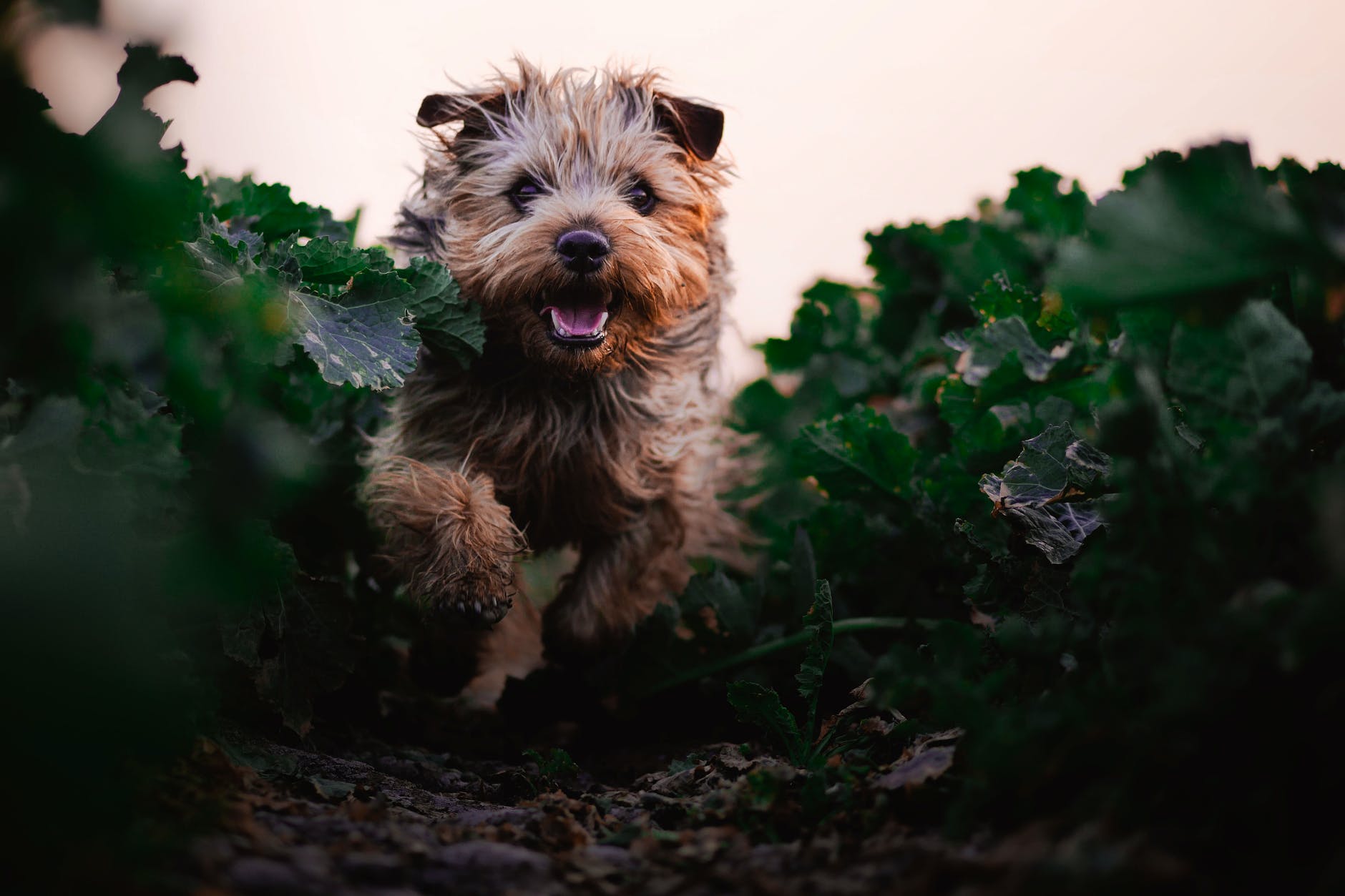
When lying in savasana (resting in corpse pose), I’d hear my dear teacher talk about contentment, our true nature. I thought I knew what she meant. So I began striving for contentment. This is hysterical! I see myself as having chased contentment so much that I literally chased it away the way one keeps driving a puppy farther on by running after it. (You know, you have to get the puppy to wanna chase you, then you run home.)

Photo by Helena Lopes on

Hollowness, emptiness, obscurity, lack. That’s what’s left when contentment’s not around. But these non-feeling-feelings are vague and veiled, so sometimes they can seem like contentment. I’d say it to my own students, too, “Rest in contentment, your true nature.”

I had misgivings about this, about not being sure, exactly, what this true-nature-contentment thing was, so sometimes I wouldn’t say it. But I did know about the pause between breaths, that swirling spaciousness into which the exhale dissolves and from which the inhale arises. And so I’d invite my students to “Rest here, for as long as it lasts, and then enjoy the next breath whenever it comes along.”
This
felt
authentic.

20 years later

Authenticity
feels
full, warm, round.
Like a baby’s belly after just enough milk.

When my babes were growing into toddlers there was always a lot of talk about food. Meals, snacks, bites, feasts. Yoga is like this.

When my toddlers were growing into children, we talked about feeling full, stuffed, hungry, ravenous, and famished (never starving). I offered them “content” as a way of describing the sensation just shy of full. Did they feel (sense) they’d had enough to eat? What if we wait twenty minutes before having more? Did they feel content with what they had? Yoga is like this.

Photo by Pixabn

Memorial Day weekend of 2020 I was on my first ever silent retreat. My first ever silent retreat was fully online. So, not the experience I had anticipated, but one that was rich and layered with new ways relating and new ways of knowing. It was on that Saturday after listening to poetry, feeling it in my body, and understanding the ways metaphor (which is language itself) translates to sensation (through the motor and somatosensory cortex) that I realized I had been selling myself short. Or (and?) selling contentment short.

I began to understand that I had interpreted contentment as a neutral sensation, neither pleasant nor unpleasant. It seems I didn’t have a sense (a sensation) of contentment that resonated or vibrated in my body. Also, I had used the yogic practice of non-attachment as a way of trying to access contentment, and in so doing had separated it from sensation even further. In this way, contentment felt like nothing – no thing – there was no metaphorical/neural connection for me. When I thought or said the word contentment, neither my motor, nor my somatosensory cortex activated. My brain had nothing (no thing) to offer. There was not an embodied experience (a knowing) from which to draw meaning. No texture or temperature, no vision, aroma, flavor, or action. Basically, contentment was dead.

Enticing the Puppy

Have you ever felt a poem in your bones? Has your flesh ever vibrated with a knowing when your friend describes her experience to you? Has your body ever come alive as you describe your own experience to someone else? This happens because language touches the part of our brain that controls our senses and our movement. The only reason we know anything is because we have a body from which to draw meaning.

Through a series of contemplative inquiries, trauma-informed, resilience focused practices, and iRest yoga nidra meditation, I began to understand that contentment could hold really big things, like Ease, Security, and Safety. It was like a door had been opened, or the roof lifted off, and possibility entered in, lifting me like a cloud toward something even bigger – Joy.

I used to think, Joy? Who am I to feel joy? And then, Wait – why not joy? Why rest in contentment when I can rest in joy? Instead of coupling contentment with neutrality, non-attachment, non-touching, non-aliveness, I started connecting it with happiness, serenity, peace, tranquility, and even Bliss – full aliveness.

I began to turn away from striving, and instead began running home to my body. Contentment would follow me, like a puppy, and bring with her all the sensations of enlivenment like tingling, pulsating, vibrating, shimmering. This is Yoga.

Photo by Erik Izsu00f3f on

A touching. A coming together. A joining. A yoking. A completeness. A coming home. All of this inside me, coming to life.

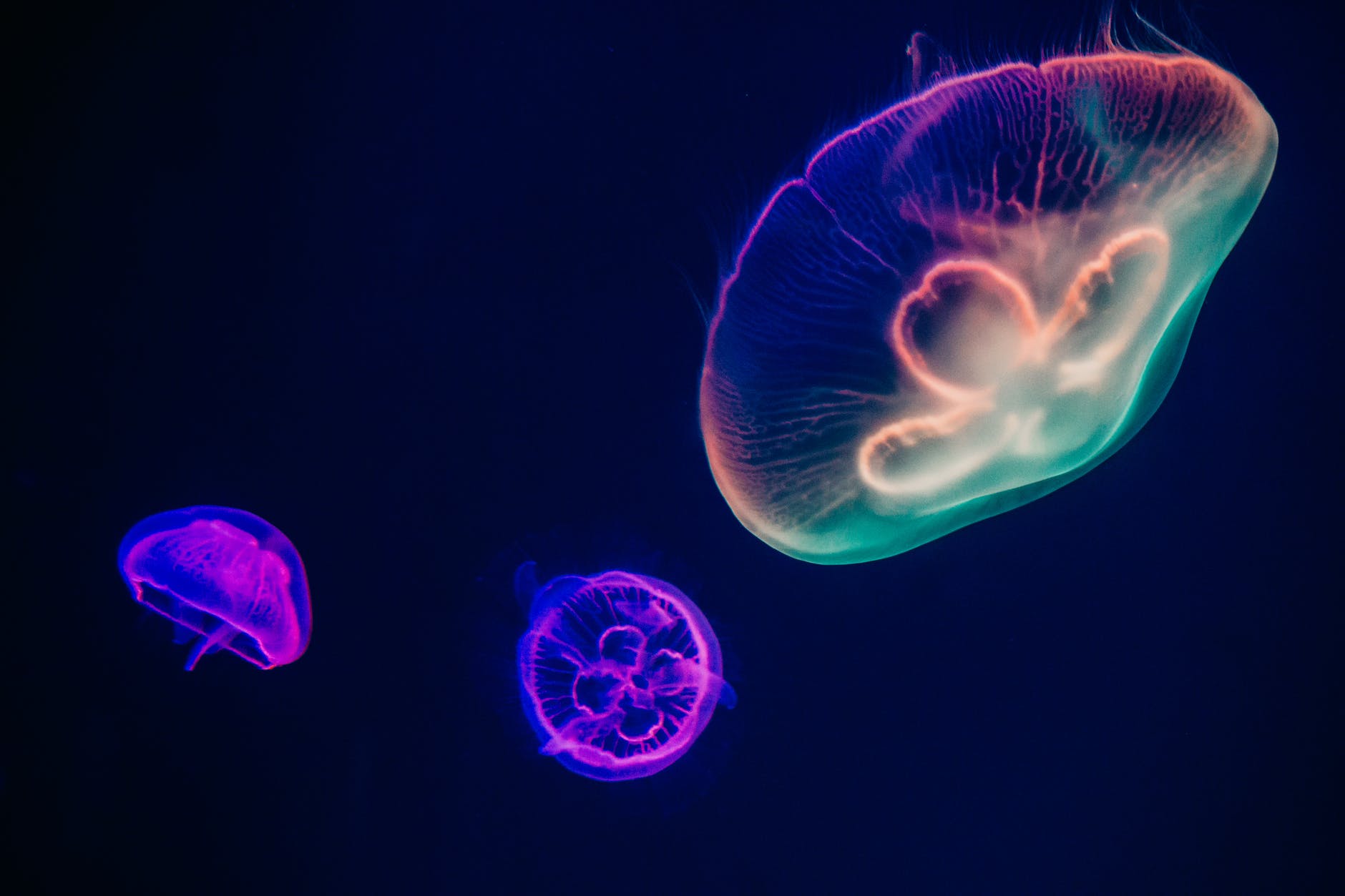
The practice of contentment is one of non-grasping. It is deep below the surface where the waves do not disturb it. That’s how this all works. Have the experience of bliss and remain equanimous when bliss passes. Have the experience of spaciousness and remain at ease when spaciousness fades. Have the experience of peace and remain serene when peace dissipates. The depth of the ocean is content to remain in cold darkness, unmoved by the weather so far above.

The Evolution of Practice

Dear one, in the depth of your being be content to rest in joy, your true nature, unmoved by the circumstances of your life. Allow yourself to be breathed by the lifeforce of the universe. Feel the birth of the inhalation and the death of the exhalation. Allow yourself to rest in the spacious joyfulness between breaths where death dissolves and life begins.

Can you feel how big you are? Can you feel light radiating from you? Can you feel it in your blood? Your bones? Your skin? How you are touching Love and Love is touching you? How you are the ocean, how you are Love?

Photo by Irina
Iri

Take small bites. (Three little breaths.)

Nibble. (Have a few cat/cows.)

Just have a snack. (One goooooood sun salute.)

Eat just enough. (Two and a half minutes?)

Sense when you are content. (Relaxation.)

Feel when you are full. (Om.)

Get used to the idea
of being
such an amazing thing
as Joy,
and feast
when it is feasting time.

Contentment is big enough

And so are you.

Photo by NaMaKuKi on Pexels.com